
Chandler Leaf Removal Services
Choose our expert leaf removal for a hassle-free, thorough cleanup that keeps your yard healthy, safe, and looking its best all season long.
Get a Free QuoteOur Chandler Landscaping & Yard Care Services
When to Schedule Leaf Removal in Chandler, Arizona – Seasonal Guide
In Chandler, Arizona, the best times for leaf removal are typically late fall through early winter and again in early spring. Due to Chandler’s arid climate and mild winters, leaves from native and ornamental trees—especially in neighborhoods like Ocotillo and Sun Groves—tend to accumulate after the first frost, which usually occurs in late November. Scheduling leaf removal soon after this period helps prevent leaves from matting down and creating excess moisture, which can attract pests and promote fungal growth in shaded yards or areas with clay-heavy soil.
Local environmental factors such as drought risk, low humidity, and the prevalence of shade from mature trees in communities near Tumbleweed Park or along the Paseo Trail also play a role in determining the optimal timing for service. Homeowners should be mindful of Chandler’s municipal guidelines and seasonal precipitation patterns, as well as any local resources that provide updates on yard waste collection or water conservation. By considering these factors, you can keep your landscape healthy and compliant with city regulations.
Local Factors to Consider for Leaf Removal in Chandler
- Tree density and species (e.g., mesquite, palo verde, and ash trees)
- Proximity to landmarks like Veterans Oasis Park, which may influence microclimates
- Soil type (sandy vs. clay-heavy areas)
- Shade coverage from mature landscaping
- Recent precipitation or drought conditions
- Municipal restrictions on yard waste disposal
- Terrain and accessibility of your property
Benefits of Leaf Removal in Chandler

Enhanced Curb Appeal
Prevents Lawn Damage
Reduces Pest Infestations
Improves Lawn Health
Saves Time and Effort
Professional and Reliable Service
Chandler Leaf Removal Types

Raking and Bagging
-
Leaf Blowing
-
Mulching Leaves
-
Curbside Leaf Pickup
-
Vacuum Leaf Removal
-
Composting Leaves
-
Seasonal Cleanup Services
Our Leaf Removal Process
Site Evaluation
Debris Gathering
Leaf Collection
Final Cleanup
Why Choose Chandler Landscape Services
-
Chandler Homeowners Trust Us
-
Expert Lawn Maintenance
-
Reliable Scheduling
-
Competitive Pricing
-
Professional Team
-
Satisfaction Guarantee
-
Personalized Service
Coordinating Leaf Removal with Chandler's Public Works and Urban Forestry Programs
Chandler's municipal infrastructure includes dedicated departments that oversee green waste handling, street drainage maintenance, and urban tree canopy management—all of which intersect directly with leaf removal operations. The City of Chandler manages solid waste collection through its Public Works and Utilities Department, which administers bulk pickup and green waste disposal guidelines for residential and commercial properties. Residents and property managers should verify current collection schedules and container requirements before placing leaf debris curbside, as the city may enforce specific bundling, bagging, or container standards for organic yard waste. For properties adjacent to public rights-of-way or municipal drainage corridors, coordination with the city is essential to prevent leaf accumulation from obstructing curb inlets or storm drain openings.
- Confirm green waste pickup schedules and accepted materials through Public Works before placing debris at the curb
- Avoid depositing loose leaf litter into street gutters, storm drains, or drainage channels
- Properties near municipal parks or streetscape plantings should coordinate timing with the Urban Forestry Program to align with city maintenance cycles
- Commercial properties generating large volumes of leaf debris may need to arrange private hauling to an approved disposal facility
Chandler Public Works and Utilities Department
Official Website: Chandler Public Works and Utilities Department
Chandler Community Services - Urban Forestry Program
Official Website: Chandler Community Services - Urban Forestry Program
How Chandler's Low-Desert Climate Shapes Seasonal Leaf Drop Patterns
Chandler sits within the Phoenix metropolitan area in USDA Hardiness Zone 9b, where the low-desert environment produces leaf drop patterns that differ substantially from temperate regions. Rather than a single autumn leaf fall, Chandler properties experience multiple waves of leaf litter throughout the year. Mesquite, palo verde, and African sumac trees shed leaves in response to heat stress during late spring and early summer, while many deciduous shade trees—such as ash, mulberry, and Chinese elm—drop foliage between November and February. Bermudagrass lawns overseeded with perennial ryegrass also generate clipping and thatch debris that compounds leaf accumulation during the cooler months.
- Alkaline, calcium-rich soils common across Chandler subdivisions slow organic decomposition, meaning leaf litter persists longer on the ground than in more acidic soil environments
- Monsoon season (typically mid-June through September) drives sudden leaf and twig debris movement across properties, washing organic material into retention basins, washes, and curb inlets
- Reflected heat from block walls, concrete driveways, and decomposed granite surfaces accelerates leaf desiccation, creating dry, wind-dispersed debris that migrates into neighboring lots and drainage infrastructure
- Irrigation overspray on turf-adjacent hardscape can trap wet leaf mats against foundations and walls, promoting moisture retention and potential pest harborage
The USDA Plant Hardiness Zone Map confirms Chandler's classification, and the USDA Web Soil Survey documents the predominantly alkaline sandy loam and caliche-influenced soil profiles that affect organic matter breakdown across the city.
Stormwater Compliance and Environmental Rules Governing Leaf Removal in Chandler
Leaf removal in Chandler carries regulatory implications tied to stormwater quality and municipal environmental compliance. Under the Clean Water Act, municipalities operating under Phase II Municipal Separate Storm Sewer System (MS4) permits must prevent pollutants—including organic debris—from entering storm drainage systems. The Arizona DEQ Phase II MS4 program establishes the framework under which Chandler enforces its local stormwater management obligations. Leaf litter that enters curb inlets, retention basins, or flood-control channels contributes to nutrient loading, reduced drainage capacity, and downstream water quality degradation.
- Property owners and service providers must ensure that leaf debris is not blown, swept, or washed into public storm drains, washes, or retention basins
- Blower operations should direct material away from drainage infrastructure and toward collection points on the property
- Wet leaf accumulations near flood-control channels or wash edges must be removed promptly, particularly before and during monsoon season
- Chandler's Environmental Management division oversees local stormwater compliance and can provide guidance on site-specific drainage concerns
Chandler Management Services - Environmental Management
Official Website: Chandler Management Services - Environmental Management
The Arizona DEQ Stormwater program provides additional technical resources for understanding discharge prevention obligations that apply to landscape maintenance activities, including leaf removal.
Timing and Methods for Professional Leaf Removal in Chandler's Heat
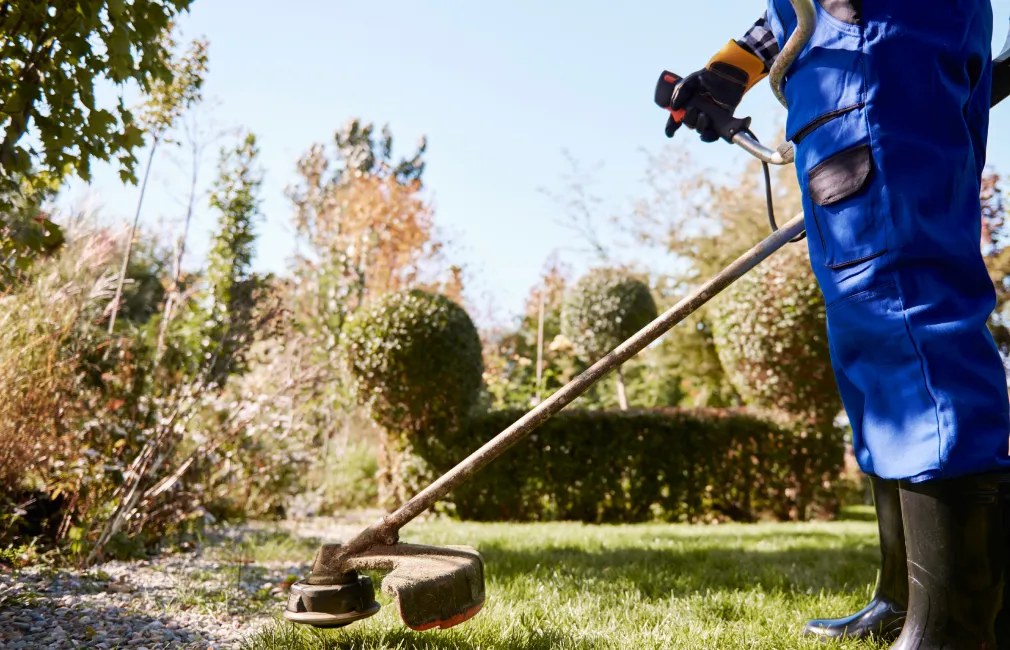
Effective leaf removal in Chandler requires scheduling and technique adjustments that account for extreme heat, wind patterns, and irrigation cycles. Professional-grade leaf removal typically involves a combination of backpack blowers, ground blowers, vacuum collection systems, and manual raking—selected based on lot configuration, turf type, and proximity to drainage features. Timing operations for early morning hours reduces heat exposure for crews and minimizes the risk of blowing dry, lightweight debris into neighboring properties or street drainage during afternoon wind events.
- Pre-monsoon clearance (May through mid-June) is critical for removing accumulated leaf litter from retention basin edges, curb lines, and wash-adjacent areas before storm flows begin
- Post-monsoon cleanup (September through October) addresses debris redistributed by storm runoff and wind
- Winter deciduous drop (November through February) requires the most intensive collection cycles, particularly on properties with mature ash, mulberry, or Chinese elm canopies
- Leaf debris should be consolidated into approved containers or bags rather than left in loose piles that can re-disperse
- On properties with bermudagrass turf, leaf removal should be coordinated with mowing schedules to prevent smothering of dormant or overseeded turf surfaces
The University of Arizona Cooperative Extension provides regionally specific guidance on turf management practices that complement leaf removal timing, particularly regarding overseeded ryegrass maintenance during the cooler season.
What Neighborhoods Do We Serve Throughout Chandler, AZ?
- Sun Groves — This established subdivision features mature mesquite and ash tree canopies on mid-sized lots, generating consistent seasonal leaf drop that requires regular collection cycles to keep turf and hardscape clear.
- Ocotillo — Larger lots with mixed desert and irrigated landscaping produce varied debris types, and proximity to retention basins and engineered drainage channels makes stormwater-conscious leaf removal essential.
- Andersen Springs — Older irrigated lots with dense shade tree plantings create heavy winter leaf accumulation, particularly along block wall perimeters and narrow side yards with limited airflow.
- Cooper Commons — Compact lot sizes and close spacing between homes concentrate leaf debris in shared fence lines and common areas, requiring careful blower direction to avoid pushing material onto adjacent properties.
- Clemente Ranch — HOA-maintained common areas and streetscape plantings supplement private lot leaf drop, and coordination with association schedules helps avoid redundant cleanup efforts.
- Lagos Vistoso — Properties bordering wash corridors and open-space easements require particular attention to preventing leaf debris from migrating into protected drainage features during monsoon events.