
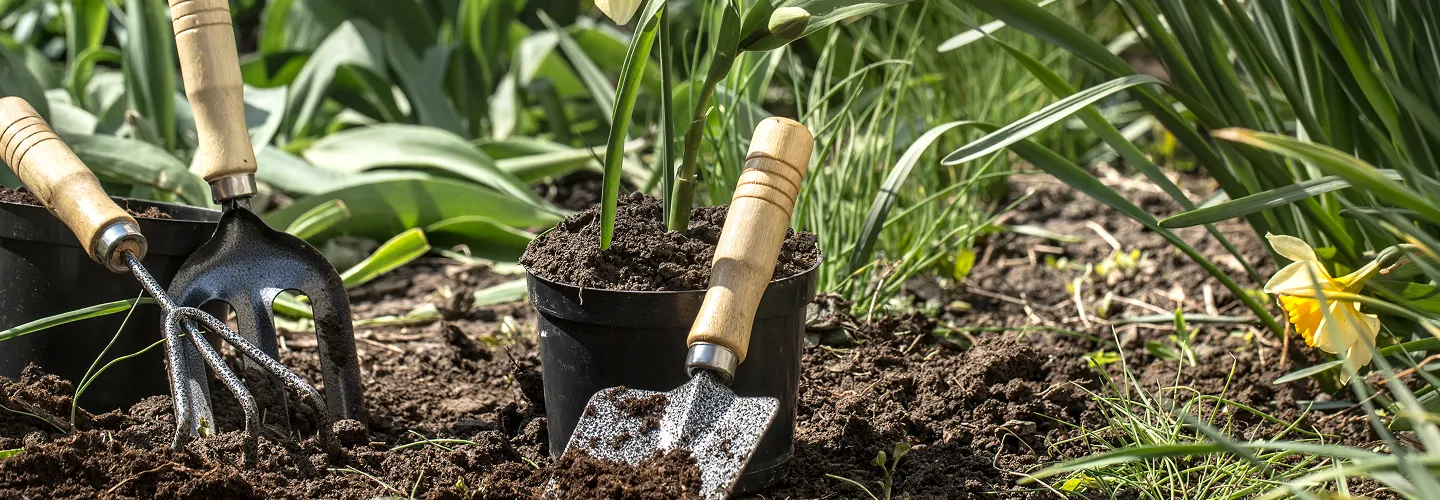
Chandler Lawn Leveling Services
Choose our expert lawn leveling services for a healthier, more beautiful yard—enjoy improved drainage, easier mowing, and a flawless outdoor space that stands out in your neighborhood.
Get a Free QuoteOur Chandler Landscaping & Yard Care Services
When to Schedule Lawn Leveling in Chandler, Arizona – Seasonal Guide
In Chandler, Arizona, the best time to schedule lawn leveling is typically during the late spring or early fall. These seasons offer moderate temperatures and more predictable rainfall, which help newly leveled lawns recover and establish quickly. Chandler’s unique desert climate—characterized by hot, dry summers and mild winters—means that timing is crucial to avoid heat stress or frost damage. For example, neighborhoods near Tumbleweed Park or the Ocotillo area often experience microclimates due to varying shade coverage and irrigation practices, making it important to assess your specific property conditions.
Local environmental factors such as the region’s caliche-heavy soil, risk of summer drought, and occasional monsoon rains all play a role in determining the optimal window for lawn leveling. Homeowners should also consider Chandler’s average last frost date in early February and the potential for municipal water restrictions during peak summer months. For more information on local regulations and best practices, consult resources like the Chandler city website.
Local Factors to Consider for Lawn Leveling in Chandler
- Tree density and shade coverage (e.g., mature trees in Sun Groves vs. open lawns in Fulton Ranch)
- Soil composition, especially areas with compacted or rocky ground
- Seasonal precipitation patterns and monsoon timing
- Risk of drought and municipal watering restrictions
- Terrain slope and drainage, particularly in neighborhoods near Veterans Oasis Park
Benefits of Lawn Leveling in Chandler
Enhanced Curb Appeal
Improved Lawn Health
Efficient Water Drainage
Safer Outdoor Spaces
Easier Lawn Maintenance
Professional Local Expertise
Chandler Lawn Leveling Types

Topdressing Lawn Leveling
Topdressing involves spreading a thin layer of soil or sand to even out minor bumps and depressions.
-
Laser Grading
Laser grading uses precision equipment to achieve a perfectly level lawn surface for optimal drainage.
-
Sod Removal and Regrading
This method removes existing sod, regrades the soil, and then replaces or installs new sod for a smooth finish.
-
Fill and Compact Leveling
Soil or sand is added to low spots and compacted to create a uniform lawn surface.
-
Power Raking Leveling
Power raking removes thatch and helps redistribute soil for a more even lawn.
-
Aeration and Leveling
Aeration loosens compacted soil, making it easier to level and improve lawn health.
-
Hand Raking and Spot Leveling
Manual raking and filling address small uneven areas for precise lawn leveling.
Our Lawn Leveling Process
Site Evaluation
Soil Preparation
Leveling Application
Compaction
Final Inspection
Why Choose Chandler Landscape Services
-
Chandler Homeowners Trust Us
-
Expert Lawn Maintenance
-
Reliable Scheduling
-
Competitive Pricing
-
Professional Team
-
Satisfaction Guarantee
-
Personalized Service
Coordinating Lawn Leveling Projects with Chandler's Municipal Infrastructure Departments
Lawn leveling in Chandler requires awareness of how grading changes interact with municipal drainage infrastructure, sidewalks, and neighboring properties. Even modest regrading of a residential yard can redirect surface water toward curb inlets, retention basins, or adjacent lots if not properly planned. Before beginning any leveling work, property owners should verify whether the project area falls within a city right-of-way or easement, as work in these zones may require coordination with the city's engineering or public works staff.
- Confirm that proposed grade changes will not redirect runoff toward neighboring properties, public sidewalks, or storm-drain inlets
- Verify easement boundaries and utility locations before importing or redistributing fill material
- Coordinate disposal of excess soil or debris through the city's bulk collection or approved hauling procedures
- Contact the Development Services division if the scope of grading extends beyond routine lawn maintenance
Chandler Public Works and Utilities Department
Official Website: Chandler Public Works and Utilities Department
Chandler Development Services - Building Safety Division
Official Website: Chandler Development Services - Building Safety Division
Residents should confirm current requirements with the appropriate department before beginning work, particularly on properties adjacent to flood-control channels or retention areas.
How Chandler's Alkaline Soils and Desert Heat Affect Lawn Leveling Outcomes
Chandler sits within the Phoenix metro low-desert region, classified under USDA Hardiness Zone 9b to 10a, where extreme summer heat, alkaline soils, and caliche layers directly influence lawn leveling results. The predominant soil profiles in Chandler's developed subdivisions often include compacted subdivision fill, alkaline sandy loam, and intermittent caliche hardpan, all of which resist uniform settling and complicate grade correction. Data from the USDA Web Soil Survey confirms that many Chandler soils exhibit high calcium carbonate content and limited organic matter, which affects how topdressing material integrates with the existing surface.
- Caliche layers can create hard subsurface barriers that prevent even drainage and cause water to pool in low spots after leveling
- Alkaline sandy loam tends to resist binding with imported topsoil unless the surface is adequately scarified before topdressing
- Reflected heat from block walls, concrete patios, and driveways accelerates moisture loss from freshly leveled areas, requiring careful irrigation scheduling during establishment
- Monsoon-season runoff between July and September can erode newly graded surfaces if leveling is performed without stabilization measures in place
The University of Arizona Cooperative Extension provides region-specific guidance on turf recovery and soil amendment practices suited to low-elevation Arizona conditions.
Navigating Chandler's Stormwater and Grading Compliance for Lawn Leveling
Lawn leveling projects in Chandler must comply with local stormwater management requirements and state environmental regulations. The city operates under the Arizona DEQ Phase II MS4 program, which governs how sediment, soil, and landscape runoff are managed to protect municipal storm-drain systems and downstream waterways. Any leveling work that generates loose soil, displaced fill, or excess irrigation runoff near curb inlets or drainage channels falls under these protections.
- Sediment from leveling operations must not be allowed to migrate into storm drains, retention basins, or wash corridors
- Imported fill or topdressing material should be stabilized promptly through irrigation or turf establishment to prevent wind and water erosion
- Properties adjacent to flood-control channels or designated washes may face additional review requirements; verify current thresholds with the city's environmental management office
- Compliance with the Clean Water Act applies to any discharge of sediment-laden water into the municipal separate storm sewer system
Chandler Management Services - Environmental Management
Official Website: Chandler Management Services - Environmental Management
The Arizona Department of Water Resources also provides landscaping conservation guidance relevant to irrigation practices during and after leveling.
Timing and Methods for Lawn Leveling in Chandler's Low-Desert Climate
Professional lawn leveling in Chandler is most effective when timed around the active growth periods of warm-season turfgrasses such as bermudagrass, which dominates residential landscapes throughout the city. The optimal window for leveling falls between late April and early June, when bermudagrass is actively spreading and can recover quickly from the disturbance of topdressing and grade adjustment. Leveling during dormancy or immediately before monsoon season increases the risk of erosion and poor turf recovery.
- Topdressing material should closely match the existing soil texture; a clean, weed-free sand or sandy loam blend is commonly used to avoid introducing drainage incompatibilities
- Application depth per pass should generally not exceed approximately one-half inch to avoid smothering the turf crown and inhibiting regrowth
- Multiple light applications spaced several weeks apart produce more uniform results than a single heavy fill, particularly on bermudagrass lawns
- Irrigation adjustments are critical after each application—short, frequent watering cycles help settle the topdressing into low spots without creating runoff
- Scalping prevention is a primary goal of leveling; uneven surfaces cause mower blades to cut too low in high spots, exposing stolons and damaging turf health
The Turfgrass Maintenance Guide for Low Elevation Arizona from the University of Arizona provides detailed guidance on bermudagrass recovery and maintenance practices applicable to post-leveling care.
What Neighborhoods Do We Serve Throughout Chandler, AZ?
- Sun Groves — Established lots in this community often exhibit settlement-related grade irregularities common to mid-2000s subdivision fill, making periodic leveling beneficial for drainage correction.
- Ocotillo — Large turf areas and proximity to retention basins in this master-planned community require careful attention to runoff direction when adjusting lawn grade.
- Andersen Springs — Mature bermudagrass lawns on compact lots in this neighborhood frequently develop uneven surfaces from years of irrigation cycling and root growth.
- Cooper Commons — Older irrigated properties near downtown Chandler may have compacted or alkaline subsoils that complicate topdressing integration during leveling.
- Fulton Ranch — HOA-maintained common areas and individual lots in this community benefit from leveling to address scalping caused by subtle grade shifts near hardscape edges.
- Springfield Lakes — Properties adjacent to lake features and drainage corridors in this area require precise grade management to prevent irrigation runoff from reaching surface-water systems.