
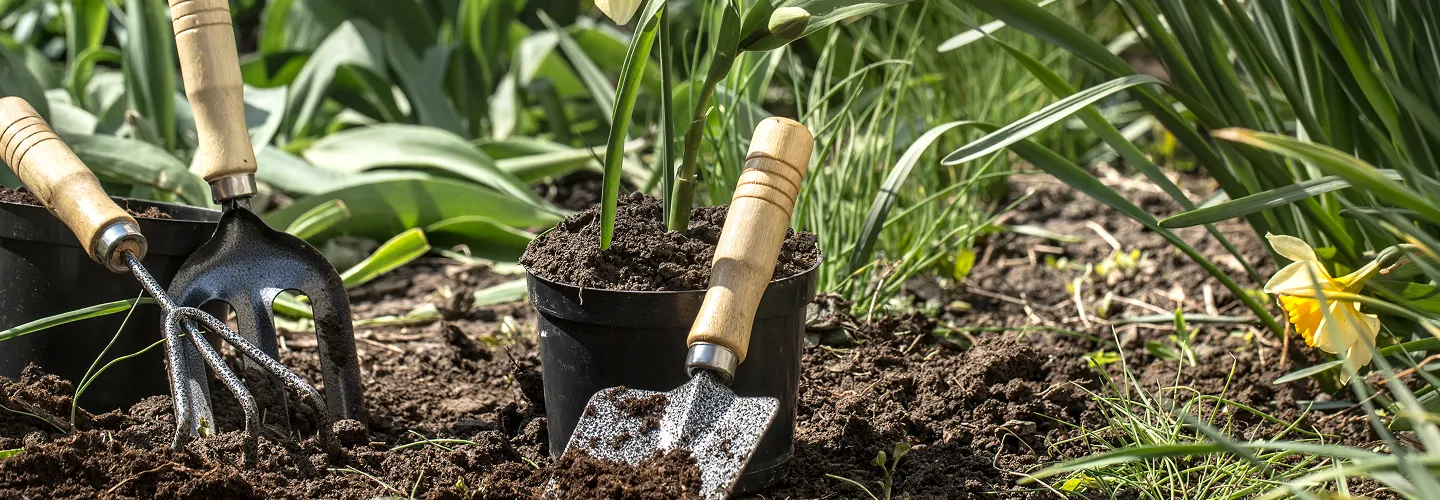
Chandler Flower Bed Maintenance Services
Choose our Flower Bed Maintenance for expert care, vibrant blooms, and a weed-free landscape—so you can enjoy a beautiful, thriving garden without the hassle.
Get a Free QuoteOur Chandler Landscaping & Yard Care Services
When to Schedule Flower Bed Maintenance in Chandler, Arizona – Seasonal Guide
In Chandler, Arizona, the timing of flower bed maintenance is crucial for keeping your landscape vibrant and healthy throughout the year. Due to our desert climate, with hot summers and mild winters, the best periods for maintenance are typically early spring (late February to April) and late fall (October to early December). These windows allow for planting, pruning, and soil amendments before the intense summer heat or after the monsoon season. Chandler’s neighborhoods, from Ocotillo to Sun Groves, often experience unique microclimates—such as increased shade from mature trees or varying soil compositions—that can influence the ideal maintenance schedule.
Local environmental factors play a significant role in determining when to service your flower beds. For example, Chandler’s average last frost date is in early February, making it safe to begin planting soon after. Drought risk is a constant consideration, especially in areas near Veterans Oasis Park, where water conservation is prioritized. Soil types can range from sandy to clay-heavy, affecting drainage and nutrient retention. For more information on local climate and gardening resources, visit the official city guide.
Local Factors to Consider for Flower Bed Maintenance in Chandler
- Tree density and shade coverage in your yard
- Soil type (sandy, clay, or loam) and drainage capability
- Annual precipitation and monsoon season timing
- Proximity to landmarks like Tumbleweed Park or the Price Corridor
- Municipal water restrictions and conservation guidelines
- Terrain slope and risk of erosion
- Neighborhood-specific HOA landscaping requirements
Benefits of Flower Bed Maintenance in Chandler
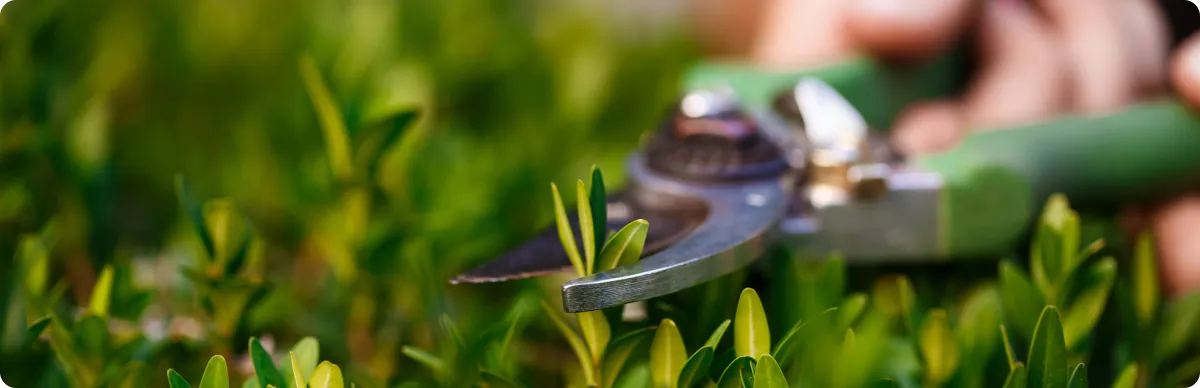
Enhanced Curb Appeal
Weed and Pest Prevention
Healthier Plant Growth
Seasonal Color Management
Professional Expertise
Time and Effort Savings
Chandler Flower Bed Maintenance Types

Seasonal Flower Planting
-
Weed Control Services
-
Mulching and Soil Conditioning
-
Pruning and Deadheading
-
Fertilization Programs
-
Irrigation System Maintenance
-
Pest and Disease Management
Our Flower Bed Maintenance Process
Site Evaluation
Weed Removal
Soil Preparation
Plant Care
Mulching
Why Choose Chandler Landscape Services
-
Chandler Homeowners Trust Us
-
Expert Lawn Maintenance
-
Reliable Scheduling
-
Competitive Pricing
-
Professional Team
-
Satisfaction Guarantee
-
Personalized Service
Coordinating Flower Bed Maintenance with Chandler's Municipal Programs and Services
Flower bed maintenance in Chandler involves more than seasonal planting and watering. Residents and property managers should coordinate with municipal departments when maintenance activities generate green waste, affect stormwater drainage, or involve chemical applications near public rights-of-way. The City of Chandler's Public Works and Utilities Department manages green waste collection and bulk pickup services; property owners should verify current bundling requirements and collection schedules before placing organic debris curbside. For properties adjacent to public parks or streetscape plantings, the city's Urban Forestry Program provides guidance on maintaining consistency with municipal landscape standards along shared frontages.
- Confirm green waste disposal rules with Public Works before placing bed trimmings or spent annuals at the curb
- Coordinate with the Urban Forestry Program when flower beds border public tree wells or parkway plantings
- Direct irrigation runoff and bed drainage away from sidewalks, curb inlets, and storm drains
Chandler Public Works and Utilities Department
Official Website: Chandler Public Works and Utilities Department
Chandler Community Services - Urban Forestry Program
Official Website: Chandler Community Services - Urban Forestry Program
How Chandler's Low-Desert Heat and Alkaline Soils Affect Flower Beds
Chandler sits in the Phoenix metro low desert within USDA Hardiness Zone 9b, where summer temperatures routinely exceed 110°F and soil pH commonly ranges from 7.5 to 8.5. These alkaline, often calcareous soils—frequently underlain by caliche layers—limit nutrient availability for iron, manganese, and phosphorus, causing chlorosis in non-adapted flower species. Reflected heat from block walls, concrete driveways, and decomposed granite mulch intensifies thermal stress on bedding plants, particularly those positioned along south- and west-facing exposures. Monsoon storms from July through September deliver intense but brief rainfall that can wash out mulch, displace emitters, and erode bed edges. The Arizona Department of Water Resources encourages hydrozoning practices that group flower beds by water demand, separating high-irrigation annuals from drought-tolerant perennials to reduce waste and runoff.
- Alkaline soils require sulfur amendments or chelated micronutrients to prevent iron chlorosis in sensitive species
- Caliche layers may need to be penetrated or bypassed during bed preparation to ensure adequate root drainage
- Reflected heat from adjacent hardscape can raise bed-surface temperatures well above ambient air readings
Navigating Chandler's Stormwater and Pesticide Regulations for Flower Bed Care
Flower bed maintenance in Chandler must comply with both municipal stormwater regulations and state pesticide licensing requirements. The city operates under Arizona's Phase II MS4 stormwater program, which prohibits the discharge of sediment, fertilizer, or chemical runoff into the municipal storm sewer system. Chandler's Environmental Management division oversees local stormwater compliance and can advise property managers on best management practices for bed maintenance near drainage channels and retention basins. Any commercial application of herbicides or insecticides within flower beds requires proper licensing through the Arizona Department of Agriculture's Office of Pest Management. The state also maintains a noxious weed list that property owners should reference when identifying invasive species in or around maintained beds.
- Prevent fertilizer granules and soil amendments from migrating into curb inlets or wash corridors
- Verify that any pest-control applicator holds a valid Arizona OPM license before authorizing chemical treatments
- Avoid applying herbicides or liquid fertilizers when monsoon storms are forecast within 24 hours
- Report persistent drainage or erosion issues near flower beds to the Environmental Management division
Chandler Management Services - Environmental Management
Official Website: Chandler Management Services - Environmental Management
Timing Flower Bed Maintenance Around Chandler's Monsoon and Frost Cycles
Professional flower bed maintenance in Chandler follows a seasonal rhythm dictated by extreme heat, monsoon moisture, and brief winter frost risk. Deadheading, weed suppression, and emitter inspection should occur on a regular cycle, with frequency increasing during the active growing months from March through October. Mulch depth in flower beds is generally maintained at approximately two to three inches to moderate soil temperature and retain moisture, though organic mulch should be checked after each significant monsoon event for displacement or compaction. Seasonal replanting typically occurs in two primary windows: early fall for cool-season annuals such as petunias and snapdragons, and mid-March for warm-season selections like vinca and lantana. Drip emitters should be inspected monthly and repositioned as plants mature to ensure root-zone coverage without oversaturation.
- Perform weed removal before seed set, especially after monsoon flushes that trigger rapid germination
- Inspect and repair mulch coverage following heavy rain events to prevent soil exposure and erosion
- Adjust irrigation emitter flow rates seasonally—reduce output during cooler months and increase during peak summer
- Schedule major bed renovations for October or March to avoid establishment stress during extreme heat or frost
What Neighborhoods Do We Serve Throughout Chandler, AZ?
- Sun Groves — Established lots with mature landscaping and irrigated flower beds that require consistent emitter maintenance and mulch replenishment due to full sun exposure on larger setback areas.
- Ocotillo — Master-planned community with HOA-maintained common areas where individual flower beds along entryways face intense reflected heat from decorative block walls and concrete walkways.
- Chandler Heights — Properties on the city's southern edge often feature larger lots with native desert plantings alongside cultivated beds, requiring careful hydrozoning to separate water demands.
- Downtown Chandler — Older residential parcels with compact yards where flower beds are positioned close to foundations and hardscape, increasing heat stress and irrigation precision requirements.
- Cooper Commons — Mid-density subdivision with uniform lot sizes where flower bed maintenance must account for shared drainage patterns and proximity to neighborhood retention basins.
- Clemente Ranch — Community with established streetscape plantings and individual beds that benefit from coordinated seasonal replanting schedules aligned with HOA appearance standards.