
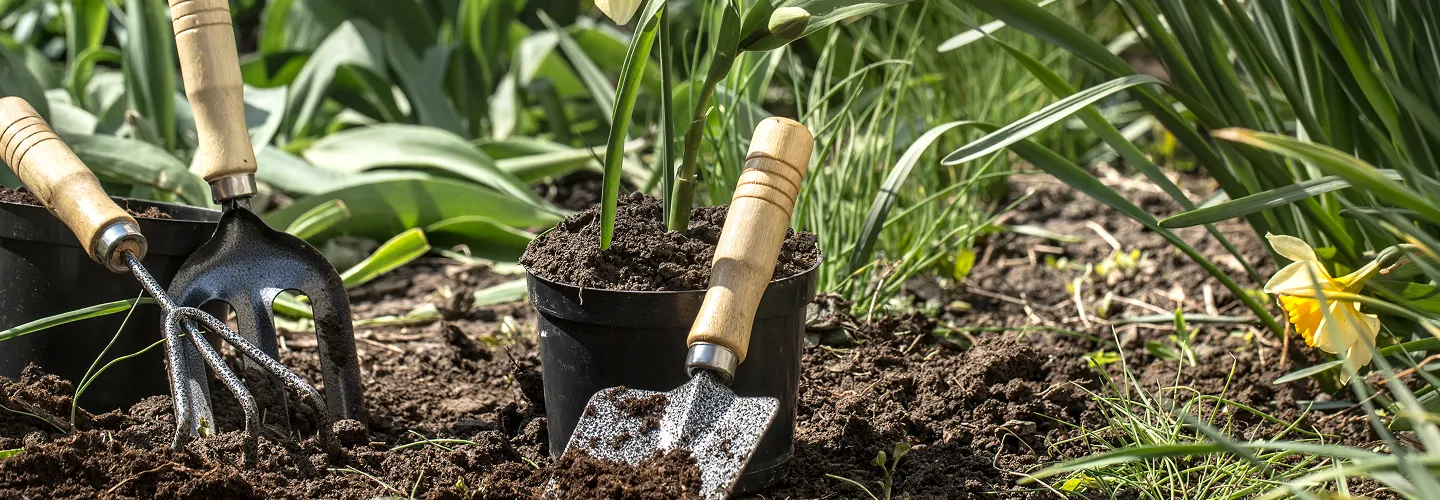
Chandler Green Waste Disposal Services
Choose our Green Waste Disposal for reliable, environmentally responsible service that keeps your property clean and helps protect our community’s natural beauty.
Get a Free QuoteOur Chandler Landscaping & Yard Care Services
When to Schedule Green Waste Disposal in Chandler, Arizona – Seasonal Guide
In Chandler, Arizona, the timing of green waste disposal is closely tied to our unique desert climate and the rhythms of local landscaping. The best periods for scheduling this service are typically late winter through early spring and again in late fall, when temperatures are milder and plant growth cycles are most active. For neighborhoods near Tumbleweed Park or along the Ocotillo corridor, these windows align with post-frost cleanup and pre-summer pruning, helping residents manage yard debris before the intense summer heat or after monsoon storms.
Local environmental factors play a significant role in determining the optimal schedule. Chandler’s soil tends to be alkaline and compact, which, combined with low humidity and sporadic rainfall, affects how quickly organic material breaks down. Areas with dense shade from mature mesquite or palo verde trees, such as those found in the Sun Groves or Fulton Ranch communities, may require more frequent disposal due to increased leaf litter. Additionally, municipal guidelines and seasonal restrictions—often updated on the city’s official website—should be reviewed to ensure compliance and efficient service planning.
Local Factors to Consider for Green Waste Disposal in Chandler
- Tree density and types (e.g., mesquite, palo verde, citrus)
- Proximity to flood-prone washes or retention basins
- Recent precipitation or drought conditions
- Soil composition and drainage
- Shade coverage from mature landscaping
- Municipal collection schedules and restrictions
- Neighborhood-specific landscaping trends
Benefits of Green Waste Disposal in Chandler
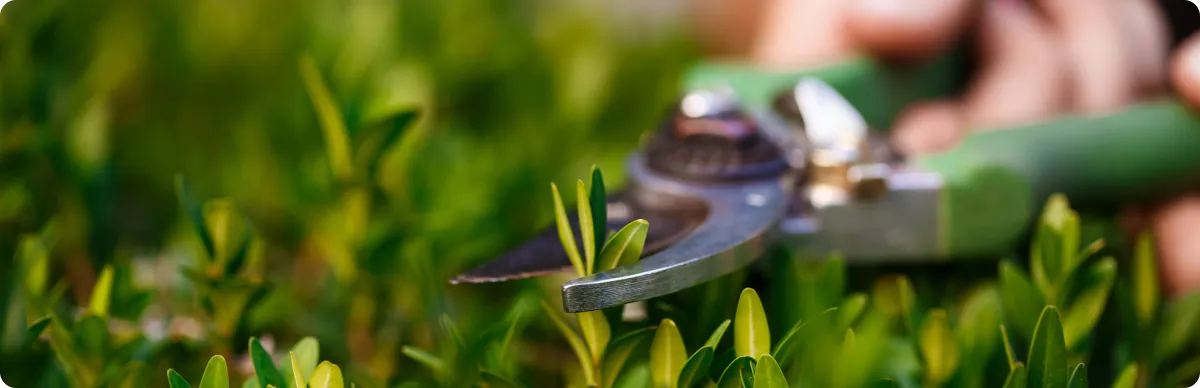
Eco-Friendly Landscaping Solutions
Efficient Green Waste Removal
Promotes Healthy Plant Growth
Reduces Landfill Waste
Enhances Curb Appeal
Supports Sustainable Practices
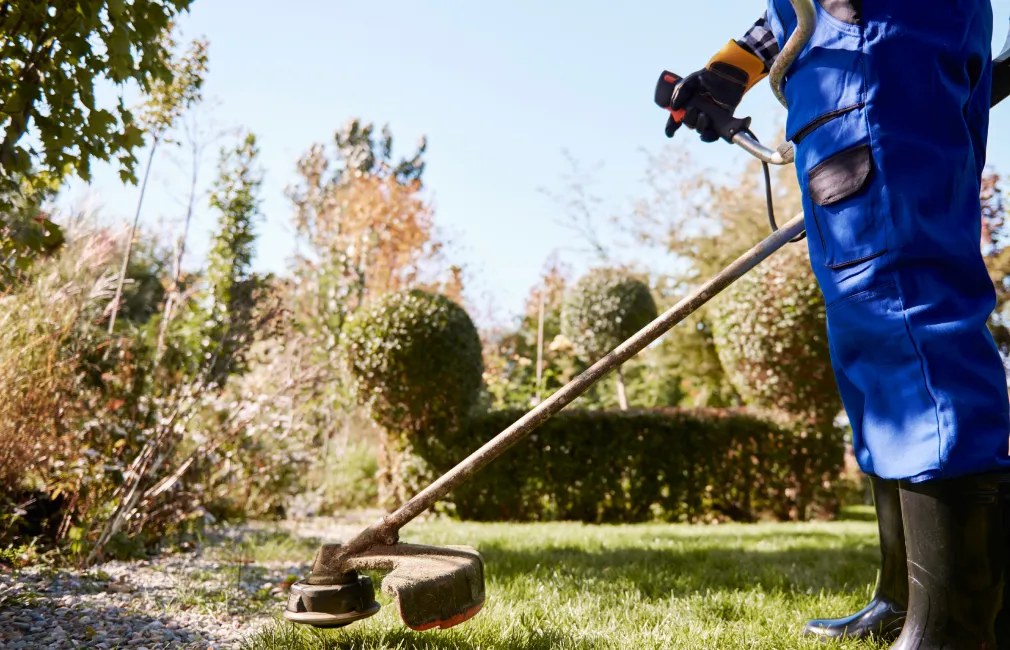
Chandler Green Waste Disposal Types

Grass Clippings
-
Tree Branches
-
Shrub Trimmings
-
Leaves
-
Palm Fronds
-
Weeds
-
Garden Debris
Our Green Waste Disposal Process
Collection of Green Waste
Sorting and Separation
Transport to Disposal Facility
Eco-Friendly Processing
Why Choose Chandler Landscape Services
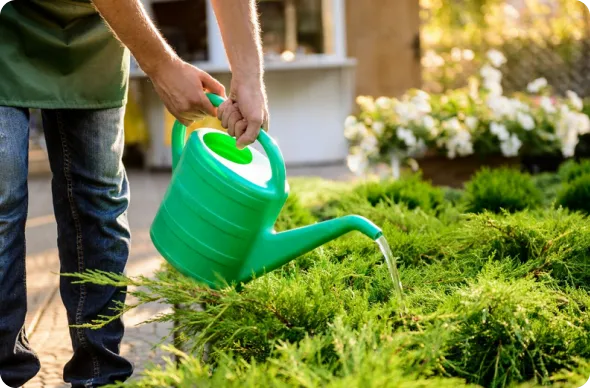
-
Chandler Homeowners Trust Us
-
Expert Lawn Maintenance
-
Reliable Scheduling
-
Competitive Pricing
-
Professional Team
-
Satisfaction Guarantee
-
Personalized Service
Coordinating Green Waste Disposal Through Chandler's Municipal Collection Programs
Green waste disposal in Chandler requires coordination with the city's solid waste management infrastructure, which handles organic yard debris generated by residential and commercial properties. The Chandler Public Works and Utilities Department oversees curbside collection services, bulk pickup scheduling, and guidelines for acceptable green waste materials. Residents and property managers should verify current collection schedules and container requirements directly with the department, as rules may differ between single-family residential accounts and multi-family or commercial properties.
Accepted green waste typically includes:
- Tree trimmings, branches, and palm fronds
- Grass clippings and raked leaves
- Shrub cuttings and hedge trimmings
- Small root material and non-invasive plant debris
Bundling and size requirements for curbside placement should be confirmed before setting materials at the curb, as oversized loads or improperly prepared piles may not be collected. Commercial landscape contractors generating large volumes of organic debris are generally expected to haul material to licensed transfer stations or composting facilities rather than relying on residential collection routes.
Chandler Public Works and Utilities Department
Official Website: Chandler Public Works and Utilities Department
How Chandler's Low-Desert Heat and Monsoons Affect Green Waste Accumulation
Chandler sits within the Phoenix metro low-desert region, classified under USDA Hardiness Zone 9b to 10a, where extreme summer temperatures and intense monsoon storms directly influence the volume and timing of green waste generation. Several environmental factors shape disposal needs throughout the year:
- Rapid growth cycles: Bermudagrass lawns and desert-adapted trees such as mesquite and palo verde produce heavy clipping and litter volumes during the warm season, roughly April through October.
- Monsoon debris surges: Summer storms from July through September break branches, scatter palm fronds, and deposit organic material across yards, driveways, and drainage corridors.
- Alkaline, caliche-bearing soils: Chandler's predominant soil profiles include alkaline sandy loam and caliche layers, which limit organic decomposition in place and make timely removal more practical than on-site composting for many properties.
- Irrigation-driven growth: Flood-irrigated lots in older parts of the city and drip-irrigated landscapes in newer subdivisions both generate consistent organic waste that must be managed to prevent blockage of curb inlets and retention basins.
The USDA Plant Hardiness Zone Map and the USDA Web Soil Survey provide additional detail on Chandler's growing conditions and soil characteristics relevant to green waste planning.
Navigating Chandler's Stormwater and Environmental Rules for Green Waste Disposal
Green waste left in streets, alleys, or near drainage channels can obstruct stormwater flow and introduce organic pollutants into Chandler's municipal storm sewer system. The city operates under Arizona's Phase II Municipal Separate Storm Sewer System (MS4) permit program, administered by the Arizona Department of Environmental Quality, which requires municipalities to control pollutant discharge into waterways consistent with the Clean Water Act.
Key compliance considerations for green waste disposal include:
- Never placing clippings, branches, or organic debris into street gutters, storm drains, or flood-control channels
- Ensuring hauled loads are covered or contained to prevent material from scattering onto roadways during transport
- Disposing of green waste only at facilities authorized to accept organic landscape material
- Avoiding burning of yard waste, which is prohibited under Maricopa County air quality regulations
The Chandler Environmental Management Division tracks local stormwater compliance and sustainability initiatives, and property owners with questions about drainage-sensitive disposal should consult this office.
Chandler Management Services - Environmental Management
Official Website: Chandler Management Services - Environmental Management
Timing and Methods for Professional Green Waste Disposal in Chandler
Effective green waste disposal in Chandler depends on aligning removal schedules with the city's seasonal growth and storm patterns. Professional standards for handling organic landscape debris in this low-desert environment include several timing and method considerations:
- Pre-monsoon clearance: Removing accumulated dead branches, palm frond boots, and overgrown shrub material before July reduces the volume of storm-scattered debris and protects drainage infrastructure.
- Post-storm response: After significant monsoon events, prompt collection of downed limbs and wind-deposited organic matter prevents material from migrating into retention basins and neighborhood washes.
- Separation of materials: Green waste should be separated from inorganic landscape materials such as decorative rock, concrete, or synthetic turf fragments, which are not accepted at organic composting or green waste processing facilities.
- Load containment: Trucks and trailers transporting green waste on Chandler streets should use tarps, nets, or enclosed containers to prevent roadway littering and potential traffic hazards.
The Chandler Community Services - Urban Forestry Program provides guidance on tree canopy management that directly affects the volume and type of woody debris generated across the city. The Arizona DEQ stormwater program offers additional context on preventing organic material from entering municipal drainage systems during disposal operations.
What Neighborhoods Do We Serve Throughout Chandler, AZ?
- Sun Groves: This established neighborhood features mature shade trees and irrigated turf lots that generate consistent volumes of leaf litter, grass clippings, and seasonal branch debris requiring regular disposal coordination.
- Ocotillo: Large residential lots with extensive desert-adapted landscaping and ornamental plantings produce significant green waste, particularly after monsoon wind events that scatter palm fronds and mesquite branches.
- Andersen Springs: Older flood-irrigated properties in this area support dense bermudagrass lawns and mature citrus trees, creating heavy organic waste loads during active growing months.
- Cooper Commons: Compact lot sizes and HOA-maintained common areas mean green waste from individual properties and shared landscape zones must be managed on coordinated schedules.
- Carino Estates: Proximity to retention basins and drainage corridors in this neighborhood makes timely green waste removal essential to prevent organic debris from entering stormwater infrastructure.
- Lagos Vistoso: Newer subdivision fill soils and desert-style front yards paired with irrigated rear landscapes create a mix of woody desert debris and turf clippings throughout the year.