
Chandler Pruning Services
Choose our pruning services for professional expertise, attention to detail, and a commitment to enhancing the health and appearance of your landscape—ensuring your trees thrive year-round.
Get a Free QuoteOur Chandler Landscaping & Yard Care Services
When to Schedule Pruning in Chandler, Arizona – Seasonal Guide
In Chandler, Arizona, timing your pruning services is crucial for maintaining healthy, vibrant landscapes. The region’s unique Sonoran Desert climate—with its hot summers, mild winters, and monsoon season—means that the best periods for pruning are typically late winter through early spring, before new growth begins. This timing helps minimize plant stress and reduces the risk of frost damage, which can occur in neighborhoods like Ocotillo and near the Chandler Heights area during rare cold snaps.
Local environmental factors such as drought risk, low humidity, and alkaline soils—common in communities around Tumbleweed Park and Sun Groves—also play a significant role in determining when and how to prune. Homeowners should be mindful of Chandler’s municipal guidelines and water conservation efforts, which may affect the timing and extent of pruning activities. For more information on local regulations, visit the official city resource.
Local Factors to Consider for Pruning in Chandler
- Tree and shrub density in your yard
- Proximity to landmarks like Veterans Oasis Park (affecting microclimates)
- Soil type and drainage characteristics
- Annual precipitation and monsoon timing
- Shade coverage from nearby structures or mature trees
- Municipal restrictions and water conservation ordinances
By considering these local factors, Chandler residents can ensure their landscapes remain healthy, attractive, and well-adapted to the area’s unique environment.
Benefits of Pruning in Chandler
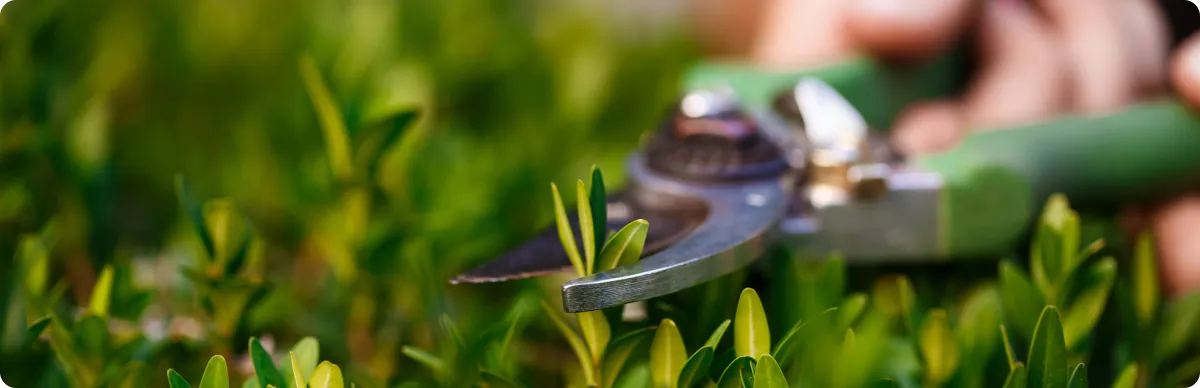
Enhanced Plant Health
Improved Curb Appeal
Increased Sunlight Exposure
Pest and Disease Prevention
Professional Landscaping Expertise
Customized Pruning Solutions
Chandler Pruning Types

Crown Thinning
-
Crown Raising
-
Crown Reduction
-
Deadwooding
-
Formative Pruning
-
Pollarding
-
Vista Pruning
Our Pruning Process
Site Evaluation
Plant Selection
Targeted Pruning
Debris Removal
Final Inspection
Why Choose Chandler Landscape Services
-
Chandler Homeowners Trust Us
-
Expert Lawn Maintenance
-
Reliable Scheduling
-
Competitive Pricing
-
Professional Team
-
Satisfaction Guarantee
-
Personalized Service
Coordinating Pruning Services Through Chandler's Urban Forestry Program
Chandler's Urban Forestry Program plays a central role in managing the city's municipal tree canopy, providing arborist guidelines, and maintaining tree inventory records across public rights-of-way and park corridors. Property owners and managers planning pruning work on trees adjacent to public sidewalks, streets, or drainage easements should verify whether the work affects city-maintained vegetation before proceeding. The program can clarify which trees fall under municipal jurisdiction and which are the responsibility of the adjacent property owner. For pruning that generates significant brush volume, the Chandler Public Works and Utilities Department administers green waste collection and bulk pickup procedures; residents should confirm current bundling requirements and collection schedules directly with the department before placing debris curbside.
- Verify tree ownership along rights-of-way before pruning near sidewalks or streets
- Coordinate brush disposal through the city's bulk pickup or green waste collection process
- Consult the Urban Forestry Program for guidance on pruning city-owned trees
Chandler Community Services - Urban Forestry Program
Official Website: Chandler Community Services - Urban Forestry Program
Chandler Public Works and Utilities Department
Official Website: Chandler Public Works and Utilities Department
How Chandler's Low-Desert Heat and Alkaline Soils Affect Pruning
Chandler sits within the Phoenix metro low-desert region, classified under USDA Hardiness Zone 9b to 10a, where summer temperatures routinely exceed 110°F and monsoon storms arrive between June and September. These conditions directly shape how and when pruning should occur. Removing live canopy during peak summer exposes inner bark and branch unions to sunscald, which can cause irreversible tissue damage on species such as palo verde, mesquite, and citrus. Chandler's predominant soils tend toward alkaline sandy loam and caliche-influenced profiles, as documented through the USDA Web Soil Survey, which limits root recovery after aggressive pruning that disrupts the canopy-to-root balance.
- Alkaline soils with pH levels commonly above 7.5 slow nutrient uptake during stress recovery
- Caliche layers restrict deep root development, making trees more dependent on intact canopy for moisture regulation
- Monsoon microbursts generate high winds that exploit weak branch unions left by improper cuts
- Reflected heat from block walls, concrete, and decomposed granite intensifies thermal stress on freshly pruned limbs
Navigating Chandler's Compliance Requirements for Tree and Shrub Pruning
Pruning on private residential property in Chandler does not typically require a permit, but several regulatory considerations apply depending on location and scope. Trees within designated rights-of-way, drainage easements, or adjacent to public utilities may be subject to review by city departments before work begins. Properties near flood-control channels or retention basins must ensure that pruning debris does not enter stormwater conveyance systems, consistent with Arizona DEQ stormwater regulations and the city's Phase II MS4 obligations under the Clean Water Act. The Chandler Management Services - Environmental Management division oversees local stormwater compliance and can address questions about debris management near drainage infrastructure.
- Confirm whether trees border a public right-of-way or drainage easement before pruning
- Prevent all green waste, sawdust, and wood chips from entering storm drains, washes, or retention basins
- HOA-governed communities may impose additional pruning standards regarding tree height, canopy shape, or species preservation
- Commercial properties should verify that contracted pruning crews hold appropriate business licensing
Chandler Management Services - Environmental Management
Official Website: Chandler Management Services - Environmental Management
Timing Pruning Around Chandler's Monsoon Season and Frost Windows
Professional pruning standards in Chandler's low-desert climate require careful attention to seasonal timing. The Arizona Department of Forestry and Fire Management recognizes Chandler as a Tree City USA participant, reinforcing the importance of sound arboricultural practices across the municipality. Structural pruning on most desert-adapted trees is best performed during late winter dormancy, roughly December through February, when reduced sap flow minimizes stress and allows wound closure before the growing season. Deadwood removal and hazard reduction should be completed before monsoon season begins in mid-June, as wind-loaded dead branches pose the greatest risk of failure during storm events.
- Structural pruning: schedule during late winter dormancy for mesquite, palo verde, and ironwood
- Citrus pruning: limit to light shaping after harvest; avoid heavy cuts that expose fruit wood to summer sun
- Deadwood removal: complete before mid-June to reduce monsoon wind-throw hazards
- Oleander and shrub hedging: prune after spring bloom flush but before extreme heat sets in
- Avoid removing more than 25 percent of a tree's live canopy in a single season to prevent shock
- Make cuts outside the branch collar; flush cuts and topping damage long-term branch structure and invite decay
What Neighborhoods Do We Serve Throughout Chandler, AZ?
- Sun Groves — Established lots with mature citrus and shade trees that benefit from regular structural pruning and deadwood removal before monsoon season.
- Ocotillo — Newer master-planned community with desert-adapted landscaping, HOA-regulated tree standards, and significant reflected heat from hardscape requiring careful pruning timing.
- Andersen Springs — Older neighborhood with large canopy trees on irrigated lots where crown thinning helps manage density and improve air circulation during summer.
- Cooper Commons — Central Chandler area with mixed residential and commercial frontage trees that may border public rights-of-way, requiring coordination with the Urban Forestry Program.
- Sun Lakes — Active-adult community with extensive mature landscaping, including olive and ash trees that require periodic crown reduction and clearance pruning along walkways.
- Clemente Ranch — Subdivision with retention basin adjacency and wash corridors where pruning debris management is critical to stormwater compliance.