
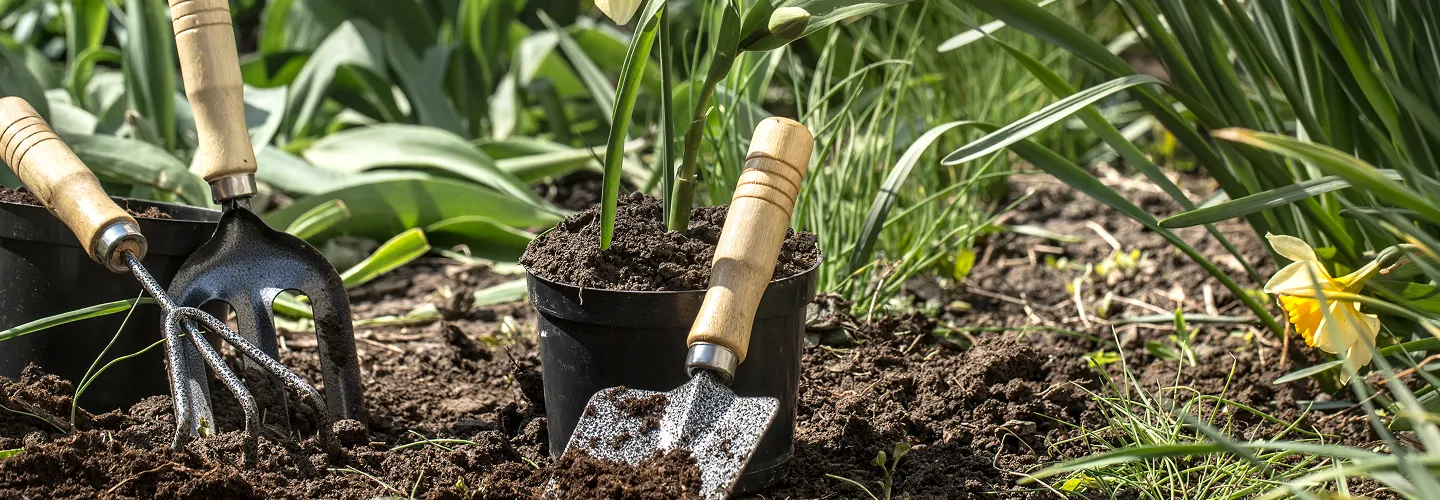
Chandler Flower Planting Services
Choose our flower planting services for vibrant, expertly arranged blooms that enhance your home's curb appeal and thrive in Chandler's unique climate.
Get a Free QuoteOur Chandler Landscaping & Yard Care Services
When to Schedule Flower Planting in Chandler, Arizona – Seasonal Guide
Flower planting in Chandler, Arizona, is best timed to take advantage of the region’s unique climate and landscape. With hot summers, mild winters, and a desert environment, the ideal planting windows are typically in early spring (late February to early April) and again in the fall (late September to early November). These periods allow new flowers to establish roots before the intense summer heat or occasional winter chills. Neighborhoods like Ocotillo and Sun Groves, with their mix of sun and shade, benefit from careful timing to ensure blooms thrive.
Local factors such as Chandler’s average last frost date in early February, the risk of drought during late spring and summer, and the prevalence of clay-heavy soils all play a role in determining the best planting schedule. Areas near Veterans Oasis Park or along the Paseo Trail may experience microclimates due to shade from mature trees or proximity to water features. For more information on local environmental guidelines, visit the City of Chandler’s resource page.
Local Factors to Consider for Flower Planting in Chandler
- Tree density and available shade coverage
- Soil composition (clay, sand, or loam)
- Average precipitation and irrigation access
- Proximity to landmarks or water features
- Municipal restrictions or HOA guidelines
- Risk of late frost or early heat waves
- Terrain and drainage patterns
Benefits of Flower Planting in Chandler
Expert Local Knowledge
Customized Landscape Designs
Drought-Resistant Plant Selection
Seasonal Color Enhancements
Professional Planting Techniques
Ongoing Maintenance Support
Chandler Flower Planting Types

Annual Flower Beds
-
Perennial Garden Design
-
Native Wildflower Planting
-
Seasonal Color Rotations
-
Drought-Tolerant Flower Selection
-
Pollinator-Friendly Plantings
-
Shade Garden Installations
Our Flower Planting Process
Site Evaluation
Soil Preparation
Plant Selection
Careful Planting
Watering and Mulching
Why Choose Chandler Landscape Services
-
Chandler Homeowners Trust Us
-
Expert Lawn Maintenance
-
Reliable Scheduling
-
Competitive Pricing
-
Professional Team
-
Satisfaction Guarantee
-
Personalized Service
Coordinating Flower Planting Projects with Chandler's Municipal Programs and Departments
Flower planting in Chandler involves coordination with several city departments, particularly when projects occur near public rights-of-way, retention basins, or community common areas. The Chandler Urban Forestry Program provides arborist guidelines and landscape standards that inform plant selection in public-facing zones, and residents undertaking planting near parkways or streetscapes should verify that species choices align with municipal expectations. For properties adjacent to drainage corridors or flood-control channels, the city's environmental management division oversees stormwater compliance and can advise on planting practices that protect water quality.
- Confirm whether flower planting near public sidewalks or medians requires coordination with city landscape standards
- Review stormwater and runoff guidance before amending soil or applying fertilizers near retention basins
- Contact the Urban Forestry Program for species recommendations in public-facing landscape zones
Chandler Community Services - Urban Forestry Program
Official Website: Chandler Community Services - Urban Forestry Program
Chandler Management Services - Environmental Management
Official Website: Chandler Management Services - Environmental Management
How Chandler's Low-Desert Heat and Alkaline Soils Shape Flower Planting
Chandler sits in the Phoenix metro low-desert region within USDA Hardiness Zone 9b, where summer temperatures routinely exceed 110°F and frost events, while infrequent, can occur between late November and mid-February. These extremes define two distinct planting windows rather than the continuous growing season found in temperate climates. Soils across much of Chandler tend toward alkaline sandy loam, often with caliche layers at varying depths that restrict root penetration and impede drainage. Subdivision fill in newer developments may consist of compacted material with limited organic content, requiring amendment before planting.
- Soil alkalinity commonly exceeds pH 8.0, which can cause iron chlorosis in non-adapted flower species
- Caliche hardpan may need to be broken or drilled through to allow adequate root-zone drainage
- Reflected heat from block walls, concrete driveways, and decomposed granite mulch intensifies radiant exposure on south- and west-facing beds
- Monsoon storms from July through September deliver intense but brief rainfall that can wash out newly planted beds and erode amended soil
- Irrigation dependence is year-round; drip emitters are the standard delivery method for flower beds in this region, as outlined by the Arizona Department of Water Resources landscaping guidance
Navigating Chandler's Environmental and Stormwater Regulations for Flower Planting
Flower planting projects in Chandler must account for the city's obligations under Arizona's Phase II Municipal Separate Storm Sewer System (MS4) program, which regulates pollutant discharge into storm drains and washes. Soil amendments, fertilizers, and organic matter applied during bed preparation can become pollutants if they migrate into the municipal stormwater system during irrigation or monsoon runoff. Property owners and contractors should ensure that excess soil, mulch, and amendment materials are contained on-site and do not enter curb inlets or drainage channels.
- Fertilizer and soil amendment applications near washes or retention basins should follow Arizona DEQ stormwater best management practices to prevent nutrient loading
- Any pesticide or herbicide use in conjunction with flower planting requires proper applicator licensing under the Arizona Department of Agriculture
- Planting within HOA-governed communities may require architectural review committee approval for species, color palette, and bed dimensions; verify current requirements with the applicable association
- Noxious weed species listed by the Arizona Department of Agriculture must not be introduced through contaminated nursery stock or soil
Chandler Water Quality Division
Official Website: Chandler Water Quality Division
Timing and Methods for Flower Planting in Chandler's Desert Climate
Professional flower planting in Chandler follows two primary installation windows dictated by temperature extremes. Cool-season annuals such as petunias, snapdragons, stock, and pansies are typically planted from mid-October through early December, once overnight temperatures consistently drop below 70°F. Warm-season and desert-adapted flowers—including vinca, lantana, desert marigold, and angelita daisy—are installed from late February through April, before sustained triple-digit heat arrives. Perennial desert-adapted species such as Baja fairy duster, red bird of paradise, and autumn sage can be planted during either window but establish most reliably in fall.
- Soil preparation: Amend alkaline native soil with sulfur and compost to improve structure and lower pH in the root zone; break through caliche if present within the top 18 inches
- Emitter placement: Position drip emitters within 6 inches of each plant's root crown and verify coverage uniformity before backfilling; adjust flow rates based on bed exposure and species water demand
- Mulch application: Apply 2–3 inches of organic mulch or appropriately sized decorative rock to moderate soil temperature and reduce evaporation, keeping mulch pulled back from plant stems to prevent crown rot
- Post-planting irrigation: Water deeply at installation and maintain frequent short cycles for the first 7–14 days to support root establishment, then transition to deeper, less frequent irrigation
- Heat protection: Newly planted beds on south- or west-facing exposures may benefit from temporary shade cloth during the first summer to reduce transplant shock
What Neighborhoods Do We Serve Throughout Chandler, AZ?
- Sun Groves — Established lots with mature desert landscaping and block-wall perimeters that create significant reflected heat on flower beds along south-facing exposures
- Ocotillo — Master-planned community with HOA-governed landscape standards, retention basin adjacency, and irrigated common areas that influence species selection for residential flower planting
- Andersen Springs — Older neighborhood with larger lot sizes and established irrigation systems that may require emitter upgrades to support new flower bed installations
- Cooper Commons — Compact subdivision lots with limited planting space along hardscape edges, where container and raised-bed flower planting may be more practical than in-ground installation
- Clemente Ranch — Community with wash-adjacent parcels and retention basins where flower planting must account for monsoon runoff patterns and stormwater protection
- Lagos Vistoso — Newer development with compacted subdivision fill soils that typically require amendment and caliche mitigation before successful flower establishment